


Understanding the AED Machine
An AED, or Automated External Defibrillator, is a portable electronic device designed to save the life of someone experiencing sudden cardiac arrest (SCA). During cardiac arrest, the heart suddenly stops beating effectively, cutting off oxygen supply to the brain and vital organs. Without quick treatment, brain damage can begin within minutes.
An AED machine works by analyzing the heart’s rhythm and, if necessary, delivering a controlled electric shock which known as defibrillation, to help the heart return to its normal rhythm.
How an AED Defibrillator Works?
When someone collapses and is unresponsive, an AED defibrillator can quickly assess the heart rhythm and determine if a shock is needed. The device provides clear voice prompts and visual instructions, guiding rescuers step-by-step through the process:
- Turn on the AED machine.
- Attach the electrode pads to the person’s chest.
- The AED analyzes the heart rhythm automatically.
- If a shock is advised, it instructs the rescuer to stand clear and deliver the shock, or does so automatically.
- Afterward, it prompts the rescuer to continue CPR if needed.
Because of its simple design and automated features, even individuals without medical training can operate an AED confidently during an emergency.
What is difference between Semi-Automatic vs. Fully Automatic AED?
Based on real-world AED use, understanding how a shock is delivered is important. After the electrode pads are placed on the patient’s chest, the AED automatically checks the heart rhythm to decide if a shock is needed.
There are two main types of Automated External Defibrillators: semi-automatic and fully automatic models.
A semi-automatic AED requires the rescuer to press a button to deliver the shock after the device detects a life-threatening rhythm. This gives the user a moment to ensure everyone is clear before activating the shock.
A fully automatic AED, on the other hand, delivers the shock automatically once it confirms that defibrillation is needed.
Both types are equally effective and safe, but fully automatic AEDs are often preferred in public or high-stress environments because they simplify the rescue process and reduce hesitation during emergencies.
AED Locations: Should Be Easy To Access
Sudden cardiac arrest can happen to anyone, anywhere. That’s why having AEDs in the right places is so important. Quick access to an AED can save a life within minutes before an ambulance arrives. According to the American Heart Association (AHA), AEDs must be installed in areas with fast access, ideally within 1.5 minute. Since the golden time to save a life is only around 4 minutes, AEDs should be placed no more than 2 minutes away.
Below are the most important AED locations every community and building should have.
- Sports Centres & Stadiums : People doing hard exercise have a higher risk of sudden cardiac arrest. AEDs should be placed near courts, gyms, swimming pools, and training areas so help can start immediately.
- Transport Hubs: LRT/MRT stations, airports, and bus terminals are crowded and busy. Medical help may take time to reach inside these large buildings. AEDs on-site allow quick action during an emergency.
- Public Buildings & Offices: Cardiac arrest can happen to anyone at work or during daily activities. Having AEDs in lobbies, meeting areas, and common spaces helps staff or visitors respond fast. Eg. Police Station
- High-Rise Buildings: Emergency teams need time to reach upper levels due to lifts and long distances. Installing AEDs on multiple floors ensures help is always nearby. Eg. Residence Condominium
- Shopping Malls, Schools, Factories & Event Venues: These places have many people in one area. AEDs should be easy to find because emergencies can happen anytime, especially in crowded environments.
Comparison Between Semi Auto and Fully Auto AED
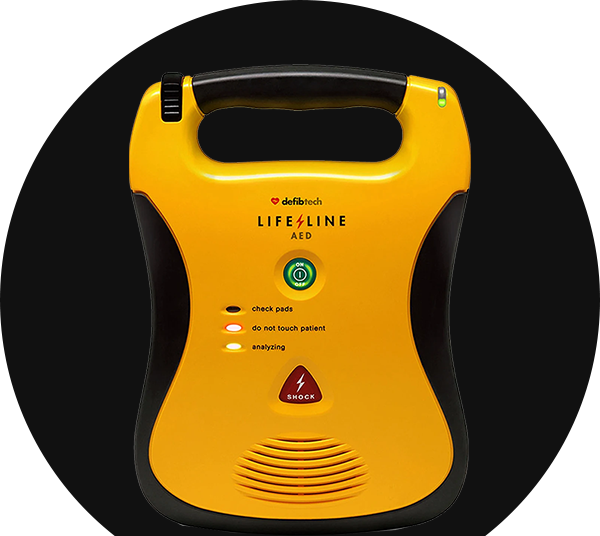
Semi-Automatic AED
Best For
Trained users (medical personnel, trained staff)
Speed
Requires user input
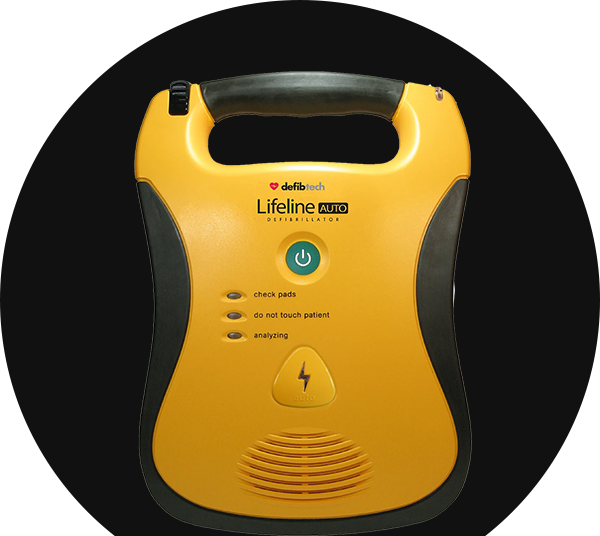
Fully Automatic AED
Delivers shock automatically
Best For
Public spaces with untrained users
Speed
Faster response

Why AEDs Are Essential
Every second counts during cardiac arrest. For every minute that passes without defibrillation, the victim’s chance of survival drops by around 10%. When used together with CPR, an Automated External Defibrillator can increase survival rates by up to 70%.
This is why more public and private locations across Malaysia—including offices, schools, gyms, and airports—are installing AED machines to be prepared for cardiac emergencies.
Be Ready to Save a Life
An AED defibrillator is more than just a medical device, it’s a life-saving tool that empowers ordinary people to act with confidence in the most critical moments. Having one nearby can make all the difference between losing a life and saving one.
Be prepared. Be equipped. An AED can save lives when every second counts.

How To Set Up Your AED- Lifeline DDU-100 Series?
Be Ready to Save a Life
Contact us and follow us on Facebook to learn about AEDs together with us today.

