
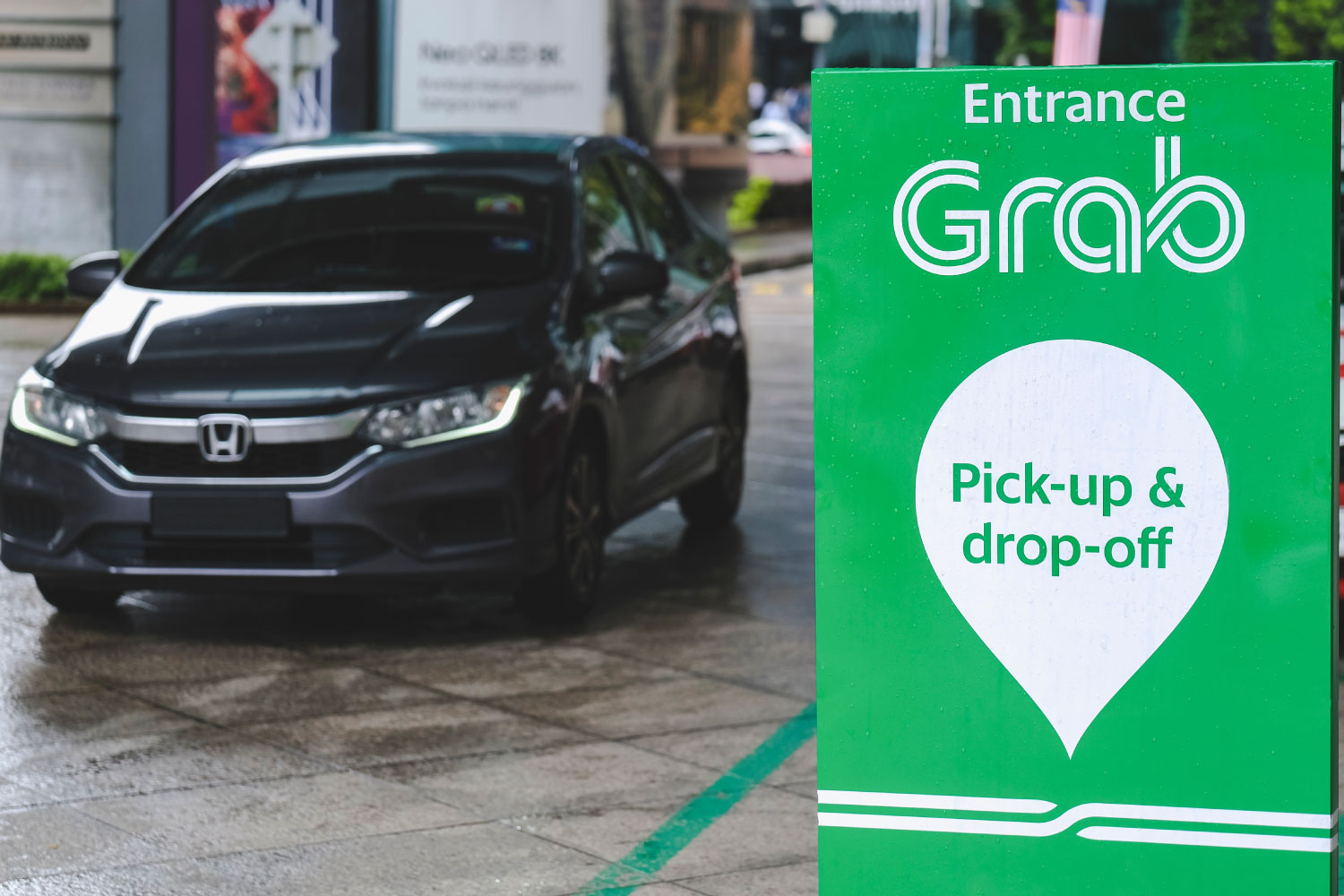
If you are an e-hailing driver in Malaysia operating a vehicle with more than 7 seats (such as a Proton Exora, Perodua Alhuz, or Toyota Innova), your first aid kit is more than just a box in the trunk it is a mandatory safety requirement.
All drivers using platforms like Grab and MyCar must have a valid PSV licence. Operating without a PSV licence is an offence under Section 56(1) of the Road Transport Act 1987.
Non-compliant drivers may face fines of up to RM2,000, imprisonment of up to six months, or both upon conviction. Action will also be taken against drivers who fail to display the required e-hailing sticker, as this violates public service vehicle regulations.
Who Is Legally Required to Carry a First Aid Kit?
Based on the official guidelines issued by PUSPAKOM, the requirement depends on vehicle capacity:
• Vehicles with 7 seats or fewer
Carrying a first aid kit is strongly recommended but not a mandatory inspection failure point.
• Vehicles with more than 7 seats
A first aid kit is mandatory. This applies to MPVs, vans, and larger passenger vehicles used for e-hailing services.
Failure to comply may result in an unsuccessful inspection outcome.
Official PUSPAKOM First Aid Kit Checklist
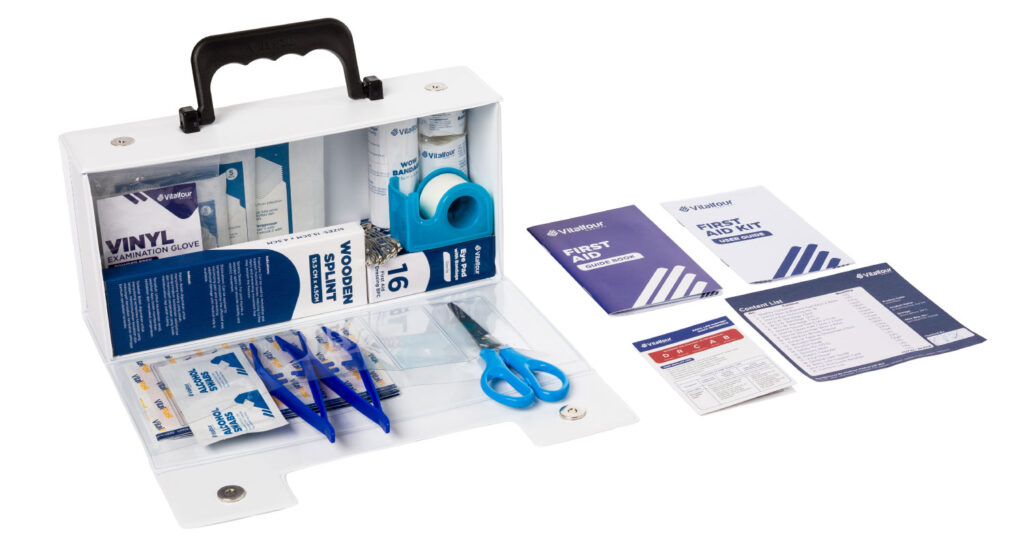
To meet inspection standards for “completeness and usability,” your first aid kit must include the following essential items (as outlined in the PUSPAKOM E-Hailing Inspection Guidelines):
• Bandages (various sizes)
• Splint
• Sterile dressings
• Sterile gauze or cotton swabs
• Tweezers
• Scissors
• Eye dressing
In addition, it is highly recommended that your kit is registered with the Medical Device Authority (MDA). An MDA-registered kit demonstrates that the medical supplies meet recognized quality and safety standards something that can strengthen your compliance during inspection.
How to Avoid Failing Your JPJ–PUSPAKOM Inspection
Even when a first aid kit is present, drivers may still fail inspections due to common oversights. To ensure compliance, pay attention to the following:
1. Check Expiry Dates
Items such as sterile gauze and dressings must be within their validity period. Expired items render the kit non-compliant.
2. Ensure Easy Accessibility
The kit should not be hidden under luggage or stored in hard-to-reach compartments. It must be clearly visible and readily accessible in case of emergency.
3. Maintain a Checklist
Including a printed checklist inside the kit helps demonstrate that contents are regularly inspected and maintained.
4. Use a Proper Container
The container should be durable, dust-proof, and moisture-resistant to preserve sterility especially important in Malaysia’s humid climate.
Why Compliance Matters
Meeting PUSPAKOM requirements is not just about passing inspection, it reflects your professionalism and commitment to passenger safety. A well-prepared driver inspires confidence, particularly in emergency situations where immediate response can make a significant difference.
In the event of a road incident, the availability of basic medical supplies during the first few minutes can be critical in stabilizing injuries before professional help arrives.
A Practical Solution for Drivers
To simplify compliance, many drivers opt for pre-assembled first aid kits designed specifically to meet PUSPAKOM and JPJ requirements. These kits eliminate guesswork and help ensure that all required components are included and properly maintained.
By preparing in advance, you can avoid unnecessary inspection failures and ensure that your vehicle meets all regulatory standards keeping both you and your passengers safe on the road.
Contact us for purchase your E-Hailing First Aid Kit Today.

